Is 25 Caliber Ammo Still Made? A Complete Guide to Availability and Use
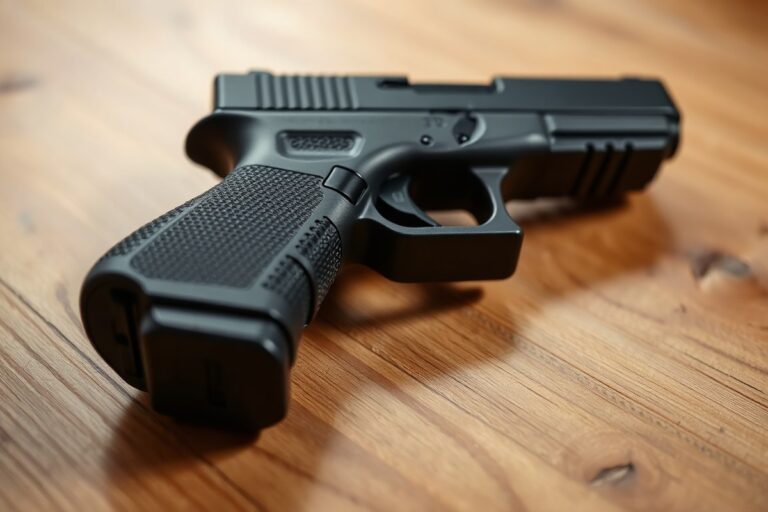
Is 25 caliber ammo still made? Yes, .25 ACP ammunition is still manufactured today, though it is less common than popular calibers like 9mm or .380 ACP. Manufacturers continue producing it mainly to support owners of compact and classic pistols chambered for this round. You can find it through specialty dealers and online retailers, but expect prices to be higher compared to more mainstream rounds.
Key Takeaways
- .25 ACP ammunition generally propels bullets weighing 35 to 50 grains at speeds ranging from 750 to 900 feet per second.
- Full Metal Jacket (FMJ) is the most widely available load type for .25 ACP ammunition.
- .25 ACP guns are usually ultra-compact handguns favored for discreet personal protection at close range.
- .25 ACP ammo delivers around 60 to 64 foot-pounds of energy, suitable for low-recoil shooting.
- Despite lower power, .25 ACP shows similar one-shot stopping effectiveness as .22 caliber in reported studies.
- Ammunition producers prioritize more popular calibers, affecting .25 ACP availability and driving prices higher.
Is 25 Caliber Ammo Still Manufactured Today?

Manufacturers still produce 25 caliber ammunition, specifically the .25 ACP (Automatic Colt Pistol) cartridge, though it remains a niche option compared to more popular rounds like 9mm or .380 ACP. Major ammunition producers such as Winchester, Federal, Remington, Hornady, and Fiocchi continue to manufacture .25 ACP ammo. These companies offer both Full Metal Jacket (FMJ) and Semi-Jacketed Hollow Point (SJHP) variants, catering to shooters who use classic pocket pistols or vintage firearms chambered for this caliber.
Production persists because a loyal segment of shooters relies on the .25 ACP for personal protection in ultra-compact pistols or for recreational shooting with older firearms. Winchester, for example, provides affordable and reliable options, while Federal’s 25 ACP ammo is noted for consistent primers and clean-burning powders. Hornady and Fiocchi also contribute to the market with quality loads, though their production volumes are lower than those for more common calibers. This limited demand keeps the 25 ACP from becoming a priority for mass production but ensures it remains available.
The availability of .25 ACP ammunition is steady but limited compared to mainstream rounds. While you won’t find as many new brands or loadings as with 9mm or .380, .25 ACP is still widely stocked by specialty ammo retailers and some larger sporting goods stores. Prices can be slightly higher due to lower production volumes, and the selection usually centers on FMJ rounds for training and SJHP for self-defense. If looking to buy, checking online retailers or dedicated ammunition sellers will increase your chances of finding a reliable supply.
Manufacturers that specialize in unusual or obsolete calibers also keep the .25 ACP alive, supplying ammunition that would otherwise be unavailable due to discontinued production by mainstream companies. This service benefits owners of vintage or hard-to-find pistols that require .25 ACP rounds. Since the cartridge was developed over a century ago by John Browning, its continued manufacture preserves access for enthusiasts and collectors.
While 25 ACP ammo is not among the highest-demand cartridges, its modest popularity in pocket pistols and compact self-defense guns sustains ongoing production. Large manufacturers balance their product lines to focus on higher-volume calibers, but the .25 ACP remains in their catalogs as a niche offering. This ensures that, while less common on shelves than other pistol rounds, 25 ACP ammunition is still made and accessible with some effort.
How 25 ACP Ammo Performs: Ballistics and Typical Loads
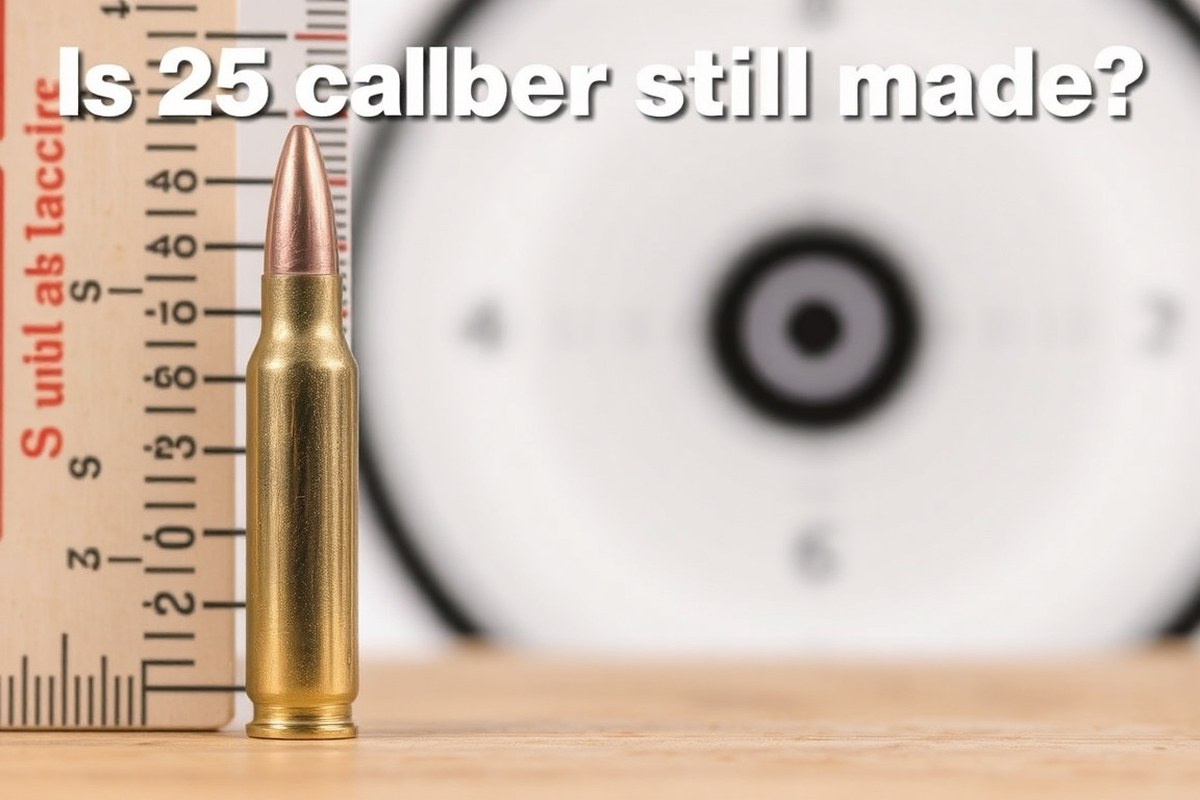
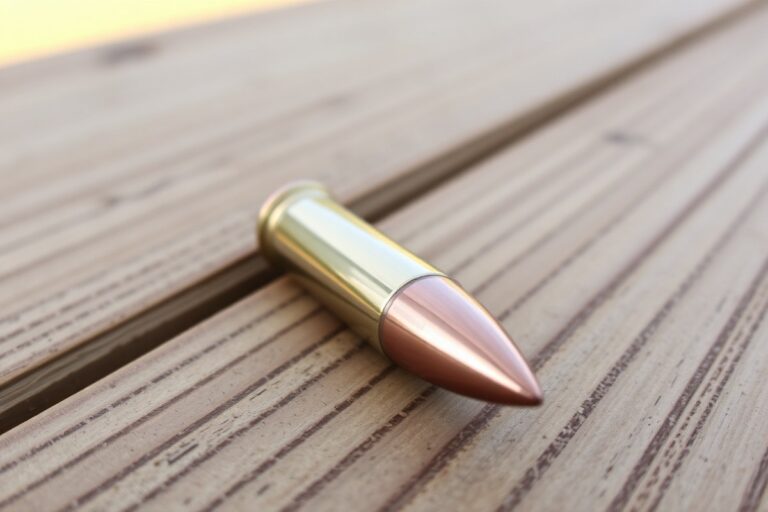
The .25 ACP cartridge typically fires bullets weighing between 35 and 50 grains. These bullets travel at muzzle velocities ranging from approximately 750 to 900 feet per second, generating muzzle energies near 60 to 65 foot-pounds. These numbers reflect relatively low recoil and moderate power, making this caliber more suitable for very close-range self-defense or target shooting rather than situations requiring significant stopping power. Below is a table summarizing representative loads from common manufacturers, showing bullet weight, type, muzzle velocity, and energy. These examples illustrate typical ballistic performance of .25 ACP rounds widely available today:
| Manufacturer | Bullet Type | Grain | Muzzle Velocity (fps) | Muzzle Energy (ft-lbs) |
|---|---|---|---|---|
| Federal | Full Metal Jacket | 50 | 760 | 64 |
| CCI | Total Metal Jacket | 50 | 755 | 63 |
| Hornady | Flex Tip Expanding | 35 | 900 | 63 |
Comparing these ballistics to more common compact calibers helps illustrate what to expect from .25 ACP. For example, 9mm loads generally feature bullets between 115 and 147 grains at velocities from 950 to 1,200 fps and energies commonly over 350 ft-lbs. The .380 ACP also outperforms .25 ACP, with typical 90 to 100-grain bullets traveling around 950 fps and delivering energies around 190 ft-lbs. This shows .25 ACP offers considerably less kinetic energy and penetration potential than these popular self-defense calibers.
That lower power results in lighter recoil and a smaller footprint, making .25 ACP a fit for pocket pistols and specialized uses demanding discretion. However, its limited energy means bullet placement is critical for effectiveness, and it is less ideal for situations expecting higher stopping power. Many shooters use full metal jacket loads from .25 ACP for affordable practice, while some premium hollow point or expanding bullets attempt to maximize terminal performance within the cartridge’s constraints.
Understand that while .25 ACP ammo can be suitable for very close-range defense, placing shots accurately is essential because its stopping power is lower than larger calibers.
Common Types of 25 ACP Ammunition Available
25 ACP ammunition comes in several bullet types, each suited for specific uses ranging from practice to self-defense. The most common are full metal jacket (FMJ) rounds, ideal for training and target shooting, and jacketed hollow points (JHP), designed for controlled expansion in defensive situations. Specialty rounds also exist, offering improve performance in compact firearms chambered in .25 ACP.
Full Metal Jacket (FMJ) Overview
Full metal jacket rounds have a lead core encased in a harder metal, usually copper or a copper alloy. This design helps the bullet maintain its shape and penetrate targets reliably without expanding. FMJ ammo is favored for range training and recreational shooting due to its consistent feeding and relatively low cost. Typically, 50-round boxes of brass-cased, boxer-primed FMJ 25 ACP rounds are available, providing an economical option for practicing fundamentals.
Because FMJ bullets do not expand on impact, they are less effective for self-defense where stopping power is a priority. The soft recoil of the 25 ACP combined with affordable FMJ loads makes it popular for target practice, especially in pocket pistols. Users can expect clean feeding and consistent accuracy with these rounds, but they should not rely on FMJ for personal protection purposes.
Hollow Point and Expanding Bullets
Jacketed hollow point (JHP) rounds are designed with a hollow cavity at the bullet’s tip that promotes controlled expansion upon hitting a target. This expansion increases stopping power by enlarging the wound channel and transferring more energy quickly, reducing the risk of over-penetration. For 25 ACP, JHP ammo is the preferred choice for self-defense since this small caliber’s effectiveness relies heavily on bullet design.
Many defensive loads, including those from manufacturers like Hornady and Remington, are engineered specifically for compact pocket pistols chambered in .25 ACP. These rounds offer reliable expansion and penetration suitable for close-range encounters typical of concealed carry scenarios. Users selecting ammo for protection should prioritize reputable JHP loads with tested terminal performance over FMJ to maximize defensive effectiveness.
Specialty and Defensive Ammunition
Beyond standard FMJ and JHP types, some specialty rounds like the Hornady XTP (eXtreme Terminal Performance) are available in 25 ACP. These bullets are crafted with bonded jackets and carefully engineered cavities to improve expansion while maintaining weight retention, improving reliability in stopping threats. Such rounds usually come at a premium price but provide superior terminal ballistics compared to basic JHP options.
Specialty ammunition often targets law enforcement or civilian carriers seeking optimized performance in small-caliber pistols. They can include variations like lead-free or frangible bullets for specific shooting environments. While specialty loads might offer improved performance in personal defense or specialized training sessions, they generally cost more and may be less widely stocked than standard FMJ or JHP ammo. Matching ammo type to purpose, such as range practice versus personal defense, helps balance cost, availability, and performance for your 25 ACP firearm.
Which Firearms Use 25 ACP Ammo?
The .25 ACP cartridge is primarily used in compact, pocket-sized pistols designed for easy concealment. Several notable models, both vintage and more recent, are chambered for this round, making it popular among collectors and those who want a lightweight carry pistol. The .25 ACP often appears in small-frame pocket pistols rather than full-sized handguns.
Popular Pistols Chambered in .25 ACP
Several classic and modern pistols have been chambered in .25 ACP, mostly ultra-compact models aimed at personal defense or collectors. The Baby Browning, produced by Fabrique Nationale in Belgium, is one of the most iconic pistols in this caliber. It’s known for its slim profile and was widely used throughout the 20th century. Another well-known model is the Beretta 950, an Italian pocket pistol first introduced in the late 1950s, appreciated for its reliability and compact size.
In addition to European designs, American firearms like the Colt Model 1908 Vest Pocket also chamber .25 ACP. This model is a sought-after collectible today as well as a practical example of early 20th-century pocket pistol engineering. These pistols were designed with concealment in mind and generally weigh under a pound, making them easy to carry discreetly.
Vintage Firearms and Collectors’ Market
Vintage pistols chambered in .25 ACP remain sought after by collectors. Produced mainly during the early to mid-20th century, these guns gained popularity across Europe and North America. Their compact design paired with a centerfire cartridge provided dependable performance that rimfire rounds of the same size often lacked. Models such as the Baby Browning, Beretta 950, and Colt 1908 are valued for their history and build quality.
Because these guns are often decades old, ammunition availability influences usage. Owners typically use .25 ACP ammo sparingly to preserve their firearms. While the market for new firearms in .25 ACP is limited, the vintage guns remain relevant for enthusiasts who want to maintain functional historical pieces or enjoy casual shooting with inexpensive rounds.
Common Use in Pocket Pistols
The .25 ACP cartridge is most commonly found in pocket pistols designed for concealed carry. These pistols emphasize ease of carry and handling rather than stopping power. Their small size and light weight make them attractive for those who need discreet protection.
Examples of pocket pistols chambered for .25 ACP usually feature barrel lengths under 3 inches and overall lengths around 5 inches or less. These guns often weigh less than 15 ounces unloaded, making them easy to carry on a daily basis. The .25 ACP’s centerfire primer also provides more reliable ignition than rimfire cartridges commonly used in similarly sized pistols.
Notable .25 ACP Handguns
- Baby Browning, ultra-compact, Belgian-made classic pistol
- Beretta 950 Jetfire, reliable Italian pocket pistol from the 1950s
- Colt Model 1908 Vest Pocket, American classic with historical significance
- FN 1906, semi-automatic pocket pistol by Fabrique Nationale
- Various modern compact pistols designed for discreet carry
These handguns mostly fit niche markets: collectors, casual target shooters, and wearers of ultra-compact self-defense pistols. Their small frame and reduced recoil make them easier to handle than larger calibers in similarly small firearms.
Is 25 ACP Suitable for Self-Defense and Personal Protection?
.25 ACP offers modest stopping power compared to popular self-defense calibers like 9mm or .380 ACP, but it can be a reasonable choice in specific situations. Its effectiveness depends heavily on shot placement and bullet design. Studies suggest one-shot stopping effectiveness for calibers including .25 ACP hovers around 50%, showing it performs similarly to even smaller rounds under optimal conditions. This means it can incapacitate a threat with a well-placed hit to the head or torso, but it leaves less margin for error than larger calibers.
One key factor is the type of bullet used. For self-defense, selecting solid or controlled-expansion bullets like the Federal HST XTP line designed for .25 ACP can improve penetration and terminal performance. Hollow points in this caliber may not expand reliably due to the low power of the cartridge and might fail to deliver sufficient wound channels. Your choice of brand matters for reliability and accuracy, especially since self-defense relies on near 100% function in a compact pistol.
The main advantage of .25 ACP lies in allowing for very compact, lightweight, and easily concealable firearms that can fit in pockets or ultra-small holsters. This makes it suited for backup guns or deep conceal carry where size and weight limit choices. However, these gains come at the cost of stopping power and range. The cartridge has low recoil and noise, which helps some shooters maintain control and accuracy under stress.
Deciding if .25 ACP is right for you means weighing your priorities. Choose it if you need extreme concealment or a secondary gun close at hand and can confidently shoot well at close range. Avoid it if you expect to face multiple threats, require greater stopping power, or might have challenging shot placement. For defensive use, favor quality solid or controlled expansion rounds, test your chosen ammunition for reliability, and practice regularly to improve accuracy.
Never rely solely on the small size of a .25 ACP pistol; consistent shot placement and reliable ammo are important for its effectiveness in self-defense.
Factors Affecting 25 ACP Ammo Availability and Cost
The availability and cost of 25 ACP ammo are mainly shaped by its low demand and limited production compared to more popular calibers like 9mm or .380 Auto. Because fewer shooters use firearms chambered in 25 ACP, manufacturers allocate less factory capacity to produce this round. This scarcity increases production costs per unit and translates to higher prices, especially when supply chains face disruptions or raw material costs rise.
Demand closely ties to firearm popularity. Since many users of 25 ACP ammunition are collectors or shooters preserving classic handguns, the market is niche. Mass-market demand for personal defense or range use generally favors calibers with better performance records, leaving 25 ACP as a specialty product. This limited consumer base discourages large-scale production, making the ammo harder to find and more expensive in many regions. Several factors influence the retail price and availability of 25 ACP ammo:
- Low production volume due to niche shooter base
- Higher cost of specialty manufacturing and packaging
- Supply chain constraints, like raw material costs and logistics
- Demand spikes related to collectible firearm popularity or hunting season
- Retail markup on hard-to-find or limited stock items
- Geographic differences where certain calibers are in more demand
- Availability of bulk purchasing options to reduce per-round cost
For cost-conscious buyers, searching for bulk 25 ACP ammo purchases can cut expenses. Buying 500 or 1000 rounds at once from reputable distributors lowers the unit price compared to small packs. Online retailers often offer better deals during less active periods or promotional sales, so timing your purchase right, outside of times when new models or vintage gun trends boost demand, can save money. Checking local gun shops known to stock collectible-caliber ammo also helps avoid inflated prices common with online scarcity.
Prices vary widely, with typical costs ranging from $0.60 to $1.00 per round depending on brand, exact load, and packaging size. Expect to pay more than common calibers, which often cost half that or less, reflecting the specialized nature and lower production scale of the 25 ACP. Patience and strategic buying aligned with supply fluctuations will yield the best value for shooters who need this particular ammunition for their firearms.
Choosing the Right 25 ACP Ammo: Buyer Considerations
Choosing the right 25 ACP ammunition depends on your specific needs and the type of firearm you own. Start by considering bullet type because it impacts recoil, accuracy, and stopping power. Full metal jacket (FMJ) rounds suit training and range practice due to their lower cost and reliable feeding. Hollow point (HP) bullets offer better expansion on impact, making them preferable for self-defense purposes.
Cost is another key factor. Training rounds generally cost between $0.25 to $0.40 per cartridge, while premium defensive ammo can range from $0.60 to over $1.00 each. Expect to pay more for quality loads with carefully selected powders and bullet materials that reduce fouling and improve reliability. Bulk purchases often reduce per-round cost but check for shelf life since propellants degrade over several years, especially stored improperly.
Reliability should never be compromised, especially if your primary use is personal protection. Choose brands known for consistent powder charges and precise bullet seating. Inconsistent ammo can cause feeding jams or misfires, particularly in older or vintage 25 ACP pistols. Testing several brands in your specific firearm before committing to a bulk order is a practical approach.
- Match bullet type to use: FMJ for training, hollow point for defense
- Confirm ammo compatibility with your firearm model and barrel length
- Prioritize reputable brands with quality control and clean-burning powders
- Consider cost per round relative to training frequency and defensive needs
- Test a sample batch for reliability and accuracy before buying large quantities
- Check manufacturing dates to ensure fresh powder and maintain performance
- For vintage firearms, seek loads with reduced pressure to avoid damage
Training ammo should focus on affordability and minimal barrel fouling to allow longer sessions without cleaning. Defensive ammo requires dependable expansion and penetration, so select loads explicitly designed for self-protection. Brands offering these features often list detailed ballistic data and test results to help you compare. Always verify that the ammunition’s dimensions and pressure ratings meet your firearm’s specifications, especially if you use older 25 ACP models sensitive to high pressures.
Niche Uses and Legacy of 25 ACP Ammunition Today
Many shooters continue to use .25 ACP ammunition because of its unique role in specific niches such as vintage gun shooting, ultra-compact handgun carry, and collecting. The cartridge’s compact size and low recoil make it attractive for certain users, while its historical significance maintains its appeal among collectors and those with older firearms.
Vintage and Collectible Firearms Compatibility
Shooting vintage firearms chambered in .25 ACP requires ammo that matches original specifications to ensure safety and preserve the gun’s condition. Manufacturers often produce factory-loaded .25 ACP rounds that adhere to standard pressures and dimensions. Using modern factory ammo or specially loaded rounds with standard 50-grain bullets traveling around 760 feet per second generally works well for these older guns.
For vintage firearms, verify the gun’s condition and consult a gunsmith before shooting. Avoid reloads or high-pressure +P variants since they can damage older mechanisms. Proper storage and maintenance also help preserve collectible guns used for shooting. Using authentic or carefully selected ammunition preserves accuracy and reliability without risking undue wear.
Ultra-Compact Pocket Carry Applications
The .25 ACP cartridge remains relevant for ultra-compact pistols designed for deep concealment and low recoil handling. Its small size fits easily into handguns with barrels often under 2.5 inches, allowing discreet everyday carry in pockets or small holsters. Shooters sensitive to recoil find .25 ACP manageable for quick follow-up shots compared to larger calibers.
While ballistic performance is limited, many carry .25 ACP pistols as backup guns for personal protection or law enforcement. Learning to shoot accurately with this cartridge means practicing proper grip and trigger control to compensate for its light recoil impulse and modest stopping power. The tradeoff is convenience and easy control at the cost of range and impact energy.
Collectors and Specialty Ammunition Makers
Collectors value .25 ACP not only for its historical roots but also because some firearms chambered in the caliber are rare and sought after. Specialty ammo makers produce limited runs of brass cases and soft point, hollow point, or even novelty rounds aimed at collectors and shooters wanting authentic or improved versions of traditional loads. These varieties can cost more, sometimes doubling the price of typical bulk ammo.
Collectors often seek factory loads from long-standing manufacturers that maintain original specifications. This helps maintain the firearm’s integrity and historical accuracy. Specialty ammo also includes high-quality primers and powders designed for consistent ignition and pressure, essential for reliable shooting in vintage or precision guns.
Always confirm your firearm’s specifications and condition before using any ammunition to avoid damaging collectible or vintage guns.
Quick-Start Action Plan for Buying and Using 25 ACP Ammo
Follow these steps to find quality 25 ACP ammo and make the most of it for your needs.
- Day 1: Check local firearms retailers and online stores for 25 ACP ammo availability to compare prices and brands.
- Day 2: Select ammo types based on your intended use, focusing on reputable brands with consistent ballistics and reliable performance.
- Week 1: Purchase a small quantity of your chosen ammo to test in your firearm and verify reliable feeding and accuracy.
- Week 2: Practice shooting with the selected ammo to evaluate recoil, grouping, and overall comfort.
- Month 1: If you plan to use 25 ACP for self-defense, choose a hollow-point load that cycles well in your gun and pass reliability tests.
- Month 2: Track ammo prices and stock levels to buy in bulk if the cost is favorable and supply is steady.
- Ongoing: Store ammunition in a cool, dry place to maintain performance and check expiration dates periodically.
- As needed: Consider backup options in different calibers if 25 ACP availability becomes scarce or prices rise sharply.
Frequently Asked Questions
Is 25 Caliber Ammo Still Made Today?
Yes, 25 caliber ammo is still manufactured, but production is limited compared to more popular calibers like 9mm. Ammo makers focus on higher-demand rounds, so .25 ACP is produced in smaller quantities and can be harder to find.
What Types of 25 ACP Ammo Are Most Common?
Full Metal Jacket (FMJ) is the most common 25 ACP ammo type, preferred for target shooting and practice. Hollow Point options exist but are rare, as FMJ serves general purposes and is easier to source.
Are There Modern Firearms Chambered in 25 ACP?
Few new models are chambered in 25 ACP, with most guns being older or vintage pistols. The ammo fits small, compact pistols mainly used for concealed carry or collectors’ items rather than current production lines.
Can You Use 25 ACP for Self-Defense?
Yes, 25 ACP can be used for close-range self-defense, especially in ultra-compact pistols. Its stopping power is limited compared to larger calibers, so it’s best for users prioritizing small size and discretion.
Why Is 25 ACP Ammo More Expensive Than Popular Calibers?
Lower production volumes and less demand drive higher prices for 25 ACP ammo. Its niche status means less competition and fewer manufacturers, leading to limited availability and higher costs than 9mm or .380 ACP rounds.
Is 25 ACP Ammo Compatible with .25 Caliber Bullets Used in Rifles?
No, 25 ACP ammo specifically refers to pistol cartridges and differs from .25 caliber rifle bullets, which are not interchangeable. Always confirm the exact caliber and firearm specifications before buying ammo.
The Bottom Line
25 caliber (25 ACP) ammo is still produced by several manufacturers, but it occupies a smaller niche than more popular rounds. You can find quality options suitable for target shooting and modest self-defense, though availability and cost fluctuate with demand. Begin by sourcing small batches to test in your firearm, then decide if 25 ACP fits your shooting and protection needs. Checking current ammo lists from trusted dealers will keep you informed on supply and pricing trends.